Psychology, reiki and reflexology for the things that don't show up on an X-ray.
Stress, Anxiety & Sleep Support in South Edmonton
Stress, anxiety and poor sleep often affect one another.
A stressful period can make it harder to fall asleep. Poor sleep can make everyday challenges feel more difficult. Anxiety can keep the mind active at night, while physical tension can make it harder for the body to settle.
For some people, this is temporary. For others, it becomes a cycle that begins to affect mood, energy, concentration, relationships and overall wellbeing.
At Purity Health & Wellness in South Edmonton, we offer several services that may support different parts of that experience.
For ongoing anxiety, emotional stress or difficulty coping, counselling is usually the most appropriate place to start.
Massage therapy, Reiki, reflexology and acupuncture may also be considered as complementary approaches for relaxation, physical tension and general wellness.
How Are Stress, Anxiety and Sleep Connected?
Stress is part of the body's normal response to challenge.
In short periods, that response can be useful. Problems can arise when the mind and body remain activated for long periods without enough opportunity to recover.
People experiencing ongoing stress or anxiety may notice:
Difficulty falling asleep
Waking frequently during the night
Racing thoughts
Muscle tension
Headaches
Jaw clenching
Neck and shoulder tightness
Irritability
Difficulty concentrating
Feeling restless or overwhelmed
Fatigue during the day
Trouble switching off after work
Feeling tired but unable to relax
These experiences can have many causes, including medical conditions, medications, lifestyle factors and mental-health concerns.
Persistent or severe symptoms should be appropriately assessed.
Which Purity Treatment Should I Choose?
Different services support different aspects of stress, anxiety and sleep.
Counselling
For ongoing anxiety, emotional stress, worry or difficulty coping, counselling is generally the strongest starting point.
Counselling gives you a confidential space to understand what you are experiencing and work with a trained mental-health professional.
People may seek counselling for:
Anxiety
Chronic stress
Work pressure
Relationship difficulties
Major life changes
Grief
Feeling overwhelmed
Difficulty switching off
Repetitive worry
Sleep problems connected to stress
Developing healthier coping strategies
Counselling is not only for people in crisis.
Many people use counselling proactively to better understand their thoughts, emotions, habits and responses to stress.
Massage Therapy
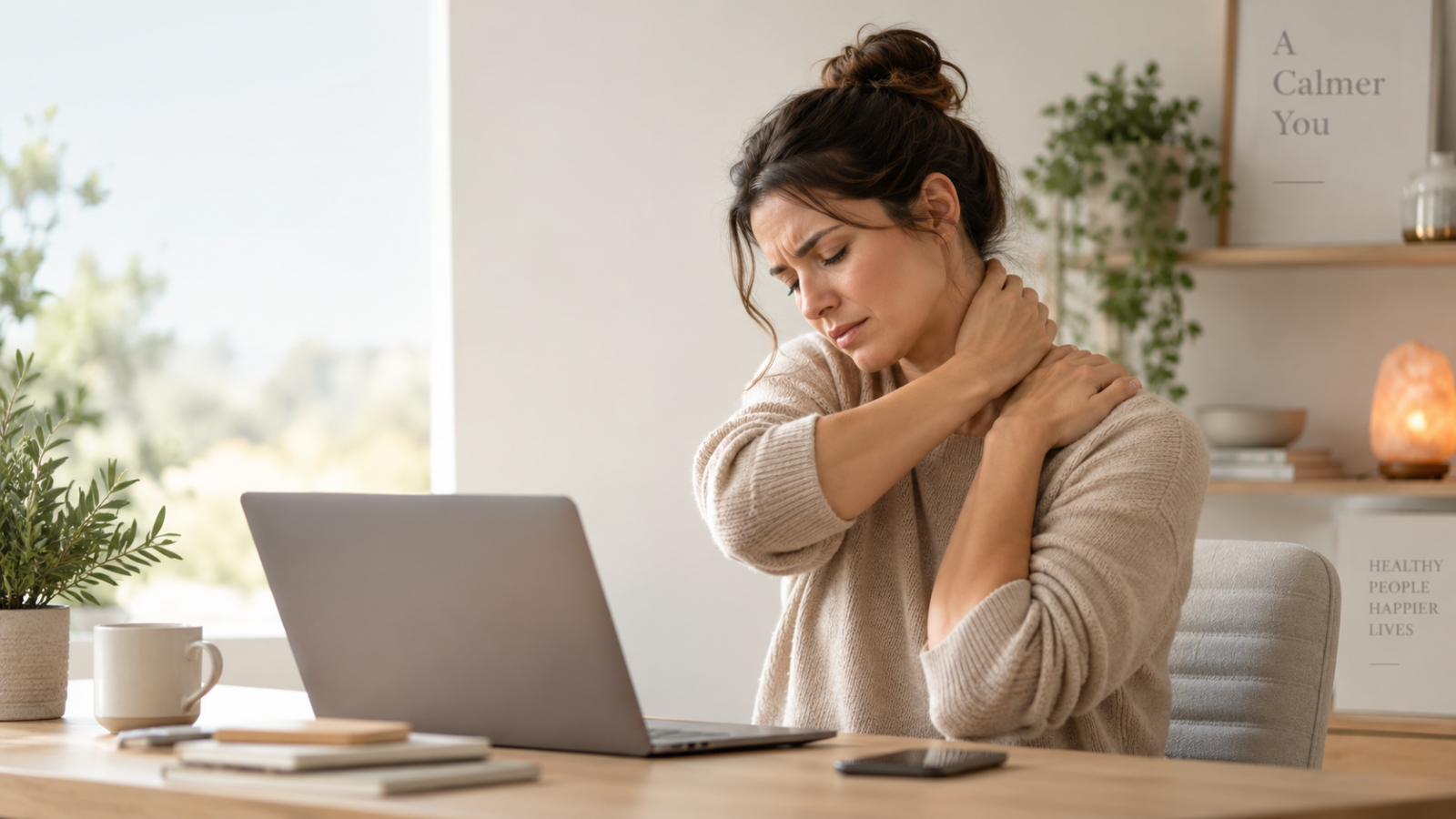
Stress often has a physical component.
Some people notice that stressful periods are accompanied by:
Tight shoulders
Neck tension
Back tightness
Jaw tension
Headaches
General muscle soreness
Massage therapy works directly with muscles and soft tissues and can provide dedicated time away from everyday demands.
Many people also find the experience itself relaxing.
Massage therapy does not treat an anxiety disorder or the underlying causes of chronic insomnia, but it may be a useful part of a broader routine focused on physical relaxation and recovery.
Reiki
Reiki may appeal to people who are looking for a very quiet, low-stimulation wellness experience.
During a Reiki session, you remain fully clothed while resting comfortably as the practitioner places their hands lightly on or just above the body.
There is no massage, manipulation or active participation required.
For some people, this creates an opportunity to:
Reiki should be viewed as a complementary relaxation practice rather than treatment for anxiety disorders or sleep conditions.
Reflexology
Reflexology is another option for people looking for hands-on relaxation without a traditional full-body massage.
You generally remain clothed while the practitioner applies focused pressure to areas of the feet.
Some people enjoy reflexology because it offers:
Quiet time to rest
Physical touch without full-body treatment
A calming wellness experience
An opportunity to slow down
Reflexology may be particularly appealing to someone whose primary goal is relaxation rather than treatment of a musculoskeletal problem.
Acupuncture
Some people also choose acupuncture as part of a broader approach to stress, tension or sleep-related concerns.
Acupuncture involves the insertion of very fine sterile needles at selected points according to the practitioner's assessment.
Your acupuncturist can discuss your symptoms and determine whether treatment falls within their scope and may be appropriate for you.
Acupuncture can be considered alongside counselling, lifestyle changes or other appropriate healthcare rather than as a replacement for medical or mental-health treatment.
What Is the Best Treatment for Stress?
The answer depends on what stress looks like for you.
If stress is primarily affecting your thoughts, emotions, relationships or ability to cope, counselling is usually the best place to begin.
If stress is showing up largely as muscle tension or physical tightness, massage therapy may be useful.
If what you are looking for is primarily quiet relaxation and time to decompress, Reiki or reflexology may be appealing.
Some people choose more than one approach.
For example, someone may work with a counsellor to address ongoing anxiety while using massage as part of their physical relaxation routine.
What Is the Best Treatment for Anxiety?
Anxiety can range from occasional worry to a persistent mental-health condition.
For recurring or disruptive anxiety, counselling is generally the most appropriate Purity service to consider first.
A counsellor can help you explore:
Relaxation-focused services such as massage, Reiki and reflexology may complement this care, but they should not be treated as substitutes for appropriate mental-health support.
What Is the Best Treatment for Poor Sleep?
Sleep problems can have many different causes.
If difficulty sleeping appears closely connected to stress, anxiety or racing thoughts, counselling may help address some of the factors contributing to the problem.
Relaxation-focused treatments such as massage, Reiki or reflexology may help some people create a calmer evening or recovery routine.
Acupuncture is another service some people choose as part of a broader wellness approach.
However, persistent insomnia, significant daytime sleepiness, loud snoring, breathing interruptions during sleep or unexplained changes in sleep should be discussed with a healthcare professional.
Massage Therapy for Stress and Sleep
Massage is often chosen because it creates both physical and mental space to relax.
A typical appointment allows you to step away from:
At the same time, your massage therapist can work with areas where tension commonly accumulates, such as the neck, shoulders and back.
For some people, regular opportunities for physical relaxation become an important part of a broader stress-management routine.
Counselling for Stress, Anxiety and Sleep
Counselling can address the thoughts, emotions and behaviours that sometimes keep the stress cycle going.
For example, someone may recognize that they are physically exhausted but still lying awake thinking about:
Counselling can help identify patterns like these and develop healthier ways of responding.
It can also help when poor sleep itself has become a source of anxiety.
Relaxation vs Treatment
It is useful to distinguish between these two goals.
Counselling may address underlying emotional, behavioural and psychological factors.
Massage therapy may address physical tension and provide relaxation.
Reiki and reflexology are primarily complementary wellness experiences focused on rest and relaxation.
Acupuncture may be considered by some people as another complementary approach.
There does not have to be only one choice.
What matters is understanding what each service is intended to do.
Can Different Treatments Be Combined?
Yes.
Stress and anxiety can involve both physical and emotional experiences, so some people prefer a combined approach.
Counselling + Massage Therapy
Counselling may address worry, stress and coping while massage helps with associated muscular tension.
Counselling + Reiki
Counselling can provide active emotional support while Reiki offers a quieter relaxation-focused experience.
Counselling + Reflexology
Someone may work on the underlying causes of stress through counselling while using reflexology as part of a broader self-care routine.
Massage + Reiki or Reflexology
Someone primarily interested in relaxation may alternate between different wellness treatments depending on what feels most restorative.
The goal is not to schedule as many treatments as possible.
The goal is to choose services that meaningfully support your individual needs.
3 Reasons to Choose Purity for Stress, Anxiety & Sleep
1. Mental Health and Wellness Services in One Clinic
Purity brings counselling together with relaxation-focused services such as massage therapy, Reiki, reflexology and acupuncture in one South Edmonton location.
That gives you options for addressing both the emotional and physical sides of stress.
2. Choose Care Based on What You Are Experiencing
Stress does not look the same for everyone.
One person may be dealing primarily with racing thoughts and anxiety, while another notices headaches, muscle tension or difficulty relaxing.
Purity gives you access to different approaches depending on what is affecting you most.
3. A Calm, Whole-Person Approach to Wellbeing
Sometimes support means talking through what is happening.
Sometimes it means working with physical tension.
And sometimes it simply means creating an hour where there is nothing you need to accomplish.
Purity's multidisciplinary environment allows you to choose the type of support that fits where you are right now.
Frequently Asked Questions About Stress, Anxiety & Sleep
Which Purity service is best for anxiety?
For persistent anxiety or anxiety that is affecting daily life, counselling is generally the best Purity service to start with.
Can massage help with anxiety?
Massage does not treat an anxiety disorder, but some people find massage relaxing and useful for physical tension that accompanies stress or anxiety.
Can stress cause muscle tension?
Yes. Some people experience increased tension in areas such as the neck, shoulders, jaw and back during stressful periods.
Can stress affect sleep?
Yes. Stress and anxiety can make it more difficult to relax, fall asleep or stay asleep.
Can Reiki help me relax?
Many people choose Reiki because they enjoy its quiet, low-stimulation nature. It is best viewed as a complementary relaxation practice.
Is reflexology good for stress?
Some people find reflexology relaxing and use it as part of their general wellness routine.
Can I combine counselling and massage?
Yes. Counselling and massage address different aspects of wellbeing and may complement one another when appropriate.
Should I seek medical help for sleep problems?
Persistent sleep problems, major changes in sleep, excessive daytime sleepiness or symptoms such as breathing interruptions during sleep should be discussed with a healthcare professional.
What if I am not sure which service to book?
Tell the Purity team what you are experiencing and what you hope to get from your appointment. We can help you understand which service may be the best place to start.
Stress, Anxiety & Sleep Support at Purity Health & Wellness
At Purity Health & Wellness, we recognize that wellbeing is both physical and emotional.
Our South Edmonton clinic offers:
Counselling
Massage therapy
Reiki
Reflexology
Acupuncture
as well as physiotherapy, chiropractic care and osteopathy for other health and musculoskeletal needs.
If anxiety or emotional stress is your main concern, counselling may be the most appropriate starting point.
If physical tension and relaxation are your primary goals, massage therapy may be a good option.
If you are looking for a quiet, restorative wellness experience, Reiki or reflexology may be worth considering.
Our goal is to help you understand your options and choose care that fits your individual needs.
Purity Health & Wellness
South Edmonton, Alberta