
Discover the transformative power of Traditional Chinese Medicine (TCM) with our skilled acupuncturists. We stay updated with the latest research to ensure you receive the most effective treatments tailored to your needs. Experience holistic healing that prioritizes your well-being and delivers outstanding results. Join us on a journey to better health today!
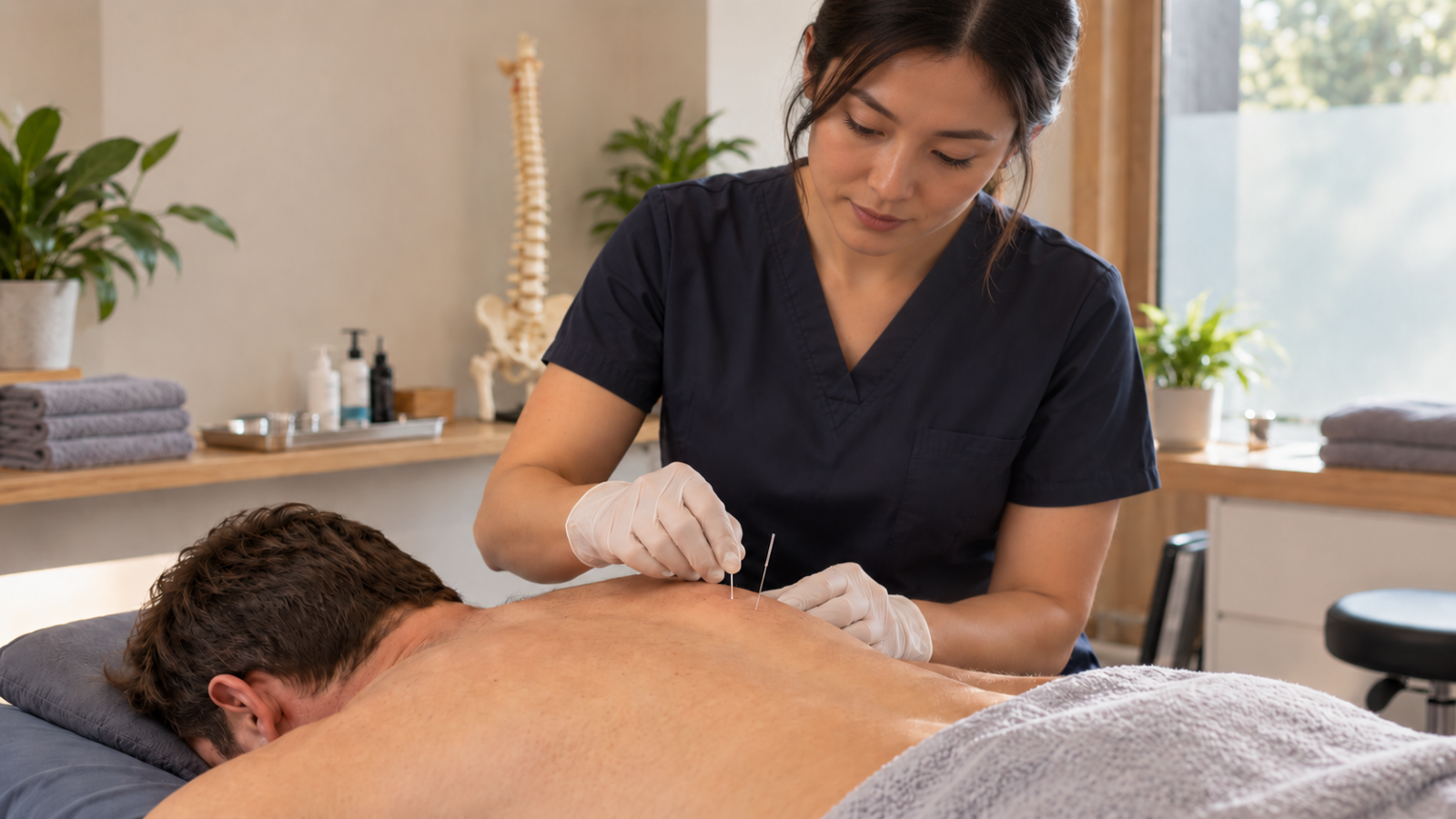
Acupuncture
Needling therapy for pain, stress and a wide range of chronic conditions.
Book AcupunctureReasons to Choose Acupuncture
- ✓Helps relieve pain and muscle tension — which may improve comfort and make everyday movement easier.
- ✓Promotes relaxation — helping reduce stress and support an overall sense of calm and well-being.
- ✓Supports recovery and physical function — which may help manage certain musculoskeletal concerns and complement other forms of treatment.
Pricing
Acupuncture
| Initial Consult and Treatment | $140.00 |
| 30 min | $75.00 |
| 60 min | $115.00 |
Meet our Acupuncture practitioners
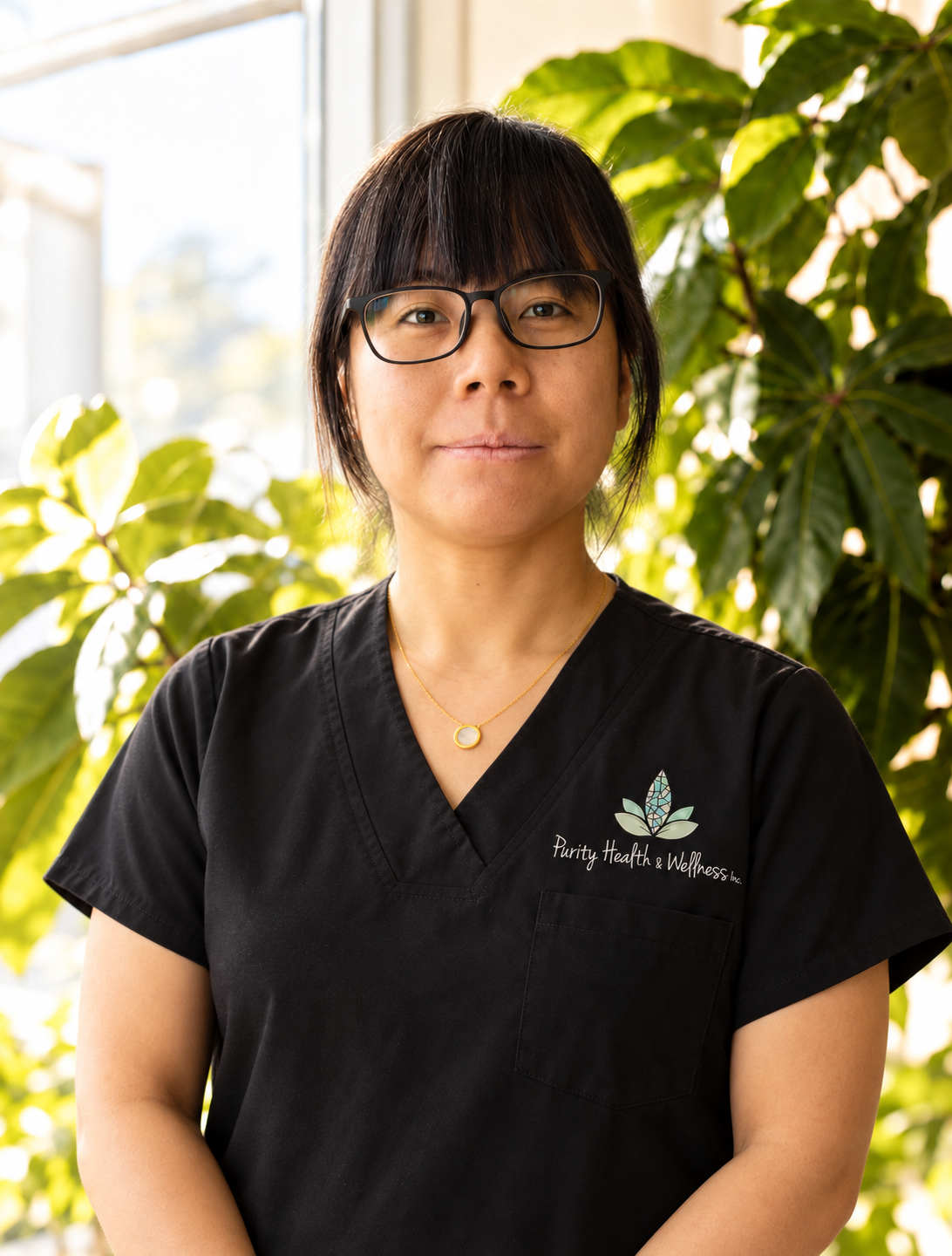
Amber (Puqi) Dai
Registered TCM Acupuncturist
Book with Amber →
Amber (Puqi) Dai
Registered TCM Acupuncturist
Puqi’s journey with Traditional Chinese Medicine began in childhood. She was born premature and her grandfather, who is a herbalist and acupuncturist, started to work with increasing her immunity and digestive system. This included regulating her diet, acupressure and tuina. As Puqi went into high school her interest in Traditional Chinese Medicine (TCM) increased and she started to read ancient Chinese Medical texts such as the Yellow Emperor Interior Classic, and Godden Mirror Of Medicine. Before moving to Canada Puqi received a bachelor Degree in Traditional Chinese Medicine from Guiyang, China and practiced for a few years, treating thousands of patients, in the top affiliated hospital of Guiyang University of Traditional Chinese Medicine. Puqi was working as an acupuncturist at downtown Monica Patt Acupuncture, now she’s moving to the south side of town. Her love for Traditional Chinese Medicine led her to enroll in the MacEwan Acupuncture program so she could continue to practice and bring traditional elements to her practice in a different culture. She is a Registered Acupuncturist with the College of Acupuncturists of Alberta (CAA). Her passion and experience have made her an excellent acupuncturist and herbal practitioner. She has a special interest in treating pain by using both traditional acupuncture, and motor points; - Digestive system diseases including: - Acupuncture help with weight issue; - Inflammatory bowel diseases such as Crohn’s disease and Ulcerative colitis - Irritable Bowel Syndrome (IBS) both constipation and diarrhea dominant - Gastritis - Gastroesophageal Reflux Disease (GERD) - Chronic functional constipation and diarrhea - Hemorrhoids - Gynecology: unexplained fertility, Irregular period, period pain; - Japanese style cosmetic acupuncture and facial massage;
Anything modern medicine cannot treat properly you may find a chance here to get symptoms release with her. Her traditional techniques, passion and experience have made her an excellent acupuncturist and herbal practitioner.
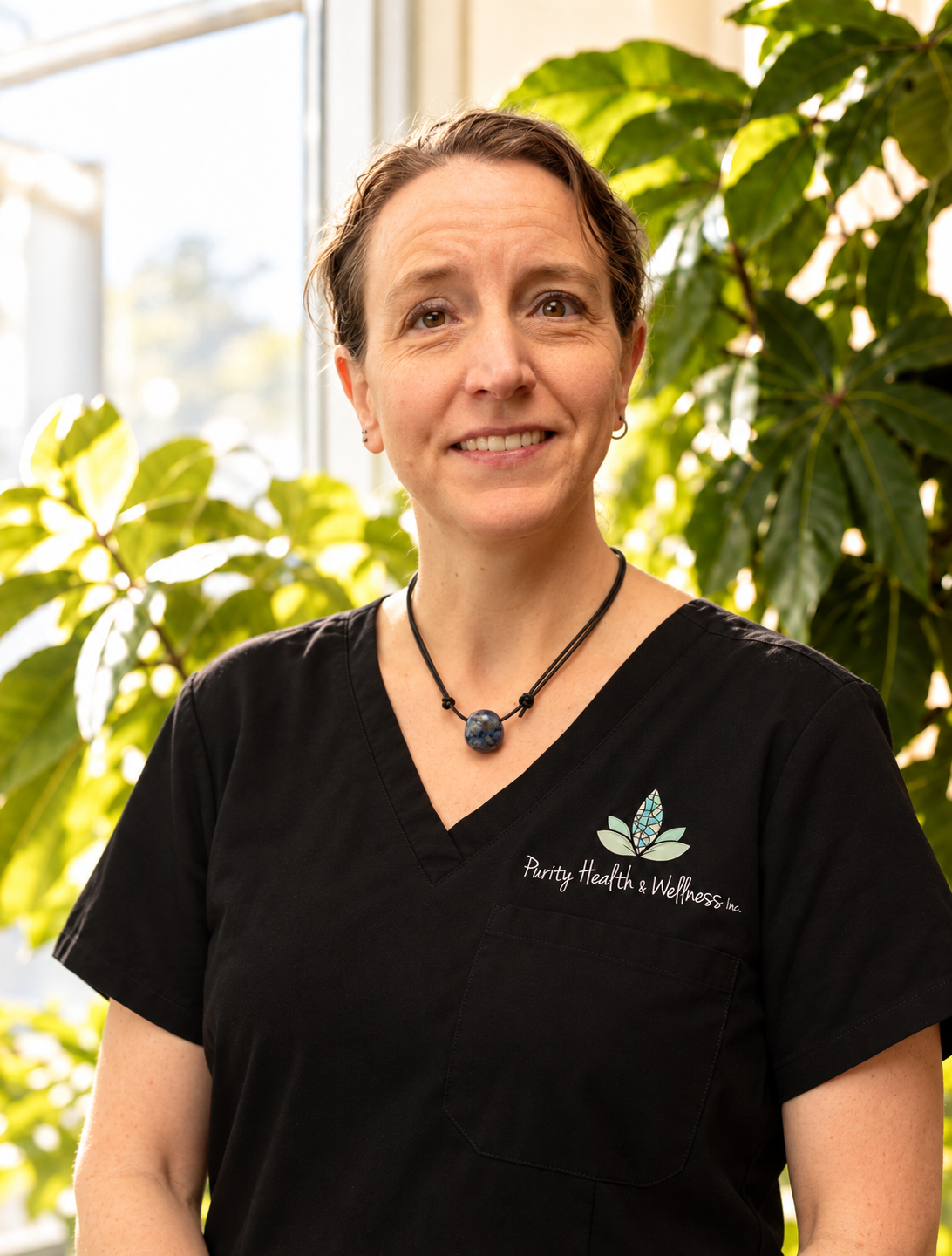
Patricia (Trish) Dika
Registered TCM Acupuncturist
Book with Patricia →
Patricia (Trish) Dika
Registered TCM Acupuncturist
Trish is a graduate from the MacEwan University Acupuncture program (CAA) and has been in practice since 2019. After graduation Trish has continued to expand her knowledge and techniques through continuing education courses, including a 30 hour program in Tuina (therapeutic Chinese massage). Trish is passionate about Traditional Chinese Medicine and focuses her practice on holistic healing: mind, body and spirit. She focuses on not only treating symptoms but also address the root of disharmony and disease while getting to know you individually. Trish has a special interest in women's health concerns. Many women suffer unnecessarily from problems such as painful periods, symptoms of menopause, and postpartum difficulties. Traditional Chinese Medicine can be very successful in helping alleviate any discomfort you are experiencing with these and other concerns! In her practice Trish incorporates a variety of modalities including: - Tuina - Fire cupping - Wet/bleeding cupping - Electro acupuncture - Auricular/ear acupuncture - Acutonics (activating acupoints with sound) - Moxibustion and Guasha
Outside the office Trish is a born and raised Edmontonian and has a special appreciation for the hidden beauty in our River Valley. When she is not in the clinic you can find her taking her dog for a long walk or spending time with her friends and family.
Ready when you are.
Same-week appointments are usually available across most of our practitioners.
Acupuncture in South Edmonton
Acupuncture is a treatment that uses very fine, sterile needles inserted at selected points on the body.
People seek acupuncture for many different reasons, including pain, muscular tension, headaches, stress and other concerns that fall within the practitioner’s scope of practice.
At Purity Health & Wellness in South Edmonton, acupuncture begins with an individual assessment so treatment can be based on your symptoms, health history and goals.
What Does an Acupuncturist Do?
An acupuncturist looks at the concerns you are experiencing and develops a treatment plan based on their training and assessment.
Depending on your needs, an acupuncture session may involve:
Fine sterile needles
Specific acupuncture points
Gentle stimulation of selected points
Resting with needles in place
Lifestyle or wellness recommendations within the practitioner’s scope
Other techniques the practitioner is trained to provide
The number and location of needles can vary from one person to another.
What Can Acupuncture Be Used For?
People commonly seek acupuncture for concerns such as:
Back pain
Neck pain
Shoulder tension
Muscular discomfort/General Tension
Headaches
Stress/Anxiety/Depression
Hormonal Balance/Concerns
Sports-related soreness
Digestive Concerns
Relaxation and wellness support
Because the same symptom can have many different causes, your practitioner will consider your individual situation before recommending treatment.
What Happens During Your First Acupuncture Appointment?
Your first appointment usually begins with a discussion of your health history and the reason you are seeking treatment.
Your acupuncturist may ask:
When your symptoms began
Where you feel discomfort
What makes your symptoms better or worse
Whether you have had similar problems before
What other treatments you may be receiving
What you hope to get from acupuncture
Your practitioner will then explain the treatment plan and place very fine needles at selected points.
The needles may remain in place while you rest comfortably for part of the appointment.
Does Acupuncture Hurt?
Acupuncture needles are much thinner than the needles commonly used for injections or blood tests.
Some people barely feel insertion.
Others may notice temporary sensations such as:
Pressure
Warmth
Tingling
Heaviness
A dull ache
A brief pinch
These sensations can vary from point to point and from person to person.
You should always tell your practitioner if something feels too uncomfortable.
How Big Are Acupuncture Needles?
Acupuncture needles are extremely fine.
They are designed specifically for acupuncture and are generally much thinner than medical needles used for injections.
For many people, this makes acupuncture feel very different from what they expect when they hear the word “needle.”
Are Acupuncture Needles Sterile?
Yes.
Qualified acupuncturists use sterile, single-use needles that are disposed of after treatment.
How Long Do Acupuncture Needles Stay In?
This depends on the practitioner, the treatment plan and the reason you are receiving acupuncture.
Needles may remain in place while you rest for a period of time before they are removed.
Your acupuncturist can explain what to expect during your specific appointment.
Acupuncture for Back Pain
Back pain is one of the common reasons people seek acupuncture.
Depending on the individual, acupuncture may be considered as one part of a broader approach to pain management or musculoskeletal care.
Your practitioner may select acupuncture points based on your symptoms, health history and treatment approach.
Back pain can have many different causes, so sudden severe pain, significant trauma, unexplained weakness, numbness or other concerning symptoms should be medically assessed.
Acupuncture for Neck and Shoulder Tension
Neck and shoulder tension can be associated with many different factors, including posture, repetitive work, stress, exercise and muscular strain.
Acupuncture may be one option for people looking to address pain or muscular tension in these areas.
Depending on your needs, acupuncture may also be combined with other appropriate treatments such as massage therapy or physiotherapy.
Acupuncture for Headaches
Some people seek acupuncture as part of their approach to recurring headaches.
Because headaches can have many different causes, your practitioner will consider your individual symptoms and health history before recommending treatment.
New, severe, unusual or persistent headaches should be medically assessed.
Acupuncture for Stress and Relaxation
Not everyone books acupuncture because of a specific injury.
Some people choose acupuncture because they find the treatment environment calming and enjoy the opportunity to rest quietly during a session.
Acupuncture may be incorporated into a broader wellness routine for people who value relaxation and time away from everyday stress.
Acupuncture for Active Lifestyles
Athletes and physically active people may seek acupuncture for muscular soreness, tension or other concerns related to training and activity.
Acupuncture does not replace appropriate injury assessment or rehabilitation, but it may be considered alongside physiotherapy, massage therapy or other care depending on your needs.
Acupuncture vs Dry Needling
Acupuncture and dry needling both use very fine needles, but they are not the same treatment.
Acupuncture developed within traditional Chinese medicine and uses specific acupuncture points selected according to the practitioner’s assessment and treatment framework.
Dry needling is a technique used by some regulated healthcare practitioners that targets muscles and related tissues based on a musculoskeletal assessment.
The training, clinical reasoning and treatment approach behind the two methods are different.
Acupuncture vs Massage Therapy
Acupuncture uses fine needles placed at selected points on the body.
Massage therapy uses hands-on techniques to work directly with muscles and soft tissues.
Some people use both approaches depending on whether their main goal involves muscular tension, pain management, relaxation or a combination of concerns.
Acupuncture vs Physiotherapy
Physiotherapy generally focuses on movement, function and rehabilitation.
Acupuncture uses needle-based treatment and may be included as part of a broader approach to pain or wellness.
A person recovering from an injury may therefore use physiotherapy for rehabilitation while also receiving acupuncture when appropriate.
Can Acupuncture Be Combined With Massage or Physiotherapy?
Yes, when appropriate.
Different treatments may address different aspects of the same overall concern.
For example:
Massage therapy may focus on muscular tension while acupuncture provides a different treatment approach.
Physiotherapy may focus on strength, movement and rehabilitation while acupuncture is used alongside the rehabilitation plan.
Chiropractic care may address joint mobility while acupuncture is used for other musculoskeletal concerns.
More treatment is not automatically better, so any combination should have a clear purpose.
Frequently Asked Questions About Acupuncture
Do I need a referral for acupuncture?
Many people can book acupuncture directly. If you plan to submit treatment to an insurance provider, check your individual policy for referral or coverage requirements.
What should I wear to an acupuncture appointment?
Loose, comfortable clothing is usually helpful. Depending on the treatment area, your practitioner may need access to your arms, legs, back or other areas of the body.
Do acupuncture needles go deep?
Needle depth varies depending on the location being treated, the technique used and the practitioner’s assessment. Acupuncture needles are very fine and are inserted with care.
Will I bleed during acupuncture?
Occasionally, a very small amount of bleeding can occur when a needle is removed, but this is typically minor.
Can acupuncture cause soreness?
Some people experience temporary soreness, heaviness or sensitivity after treatment. Others feel little or no discomfort afterward.
How many acupuncture sessions will I need?
There is no universal number. Frequency depends on your reason for treatment, how long the concern has been present and how you respond to care.
Can I get acupuncture if I am afraid of needles?
Yes, but tell your practitioner before treatment begins. Acupuncture needles are much thinner than injection needles, and your practitioner can explain each step and adjust the approach based on your comfort.
Is acupuncture the same as dry needling?
No. Both use thin needles, but they come from different treatment systems and involve different training and clinical reasoning.
Can acupuncture and massage be done as part of the same overall wellness plan?
Yes, when appropriate. The two treatments have different approaches and may complement one another depending on your goals.
Acupuncture at Purity Health & Wellness
At Purity Health & Wellness, acupuncture is part of a broader multidisciplinary approach to health and wellness.
Our South Edmonton clinic also offers massage therapy, physiotherapy, chiropractic care, osteopathy, counselling, Reiki and reflexology.
For some clients, acupuncture is part of an approach to pain or muscular tension.
For others, it may be a calming wellness treatment or one component of a broader plan that includes rehabilitation, massage or other appropriate care.
Our goal is to provide individualized acupuncture in a comfortable environment while helping you understand the treatment options available to you.
Purity Health & Wellness
South Edmonton, Alberta