
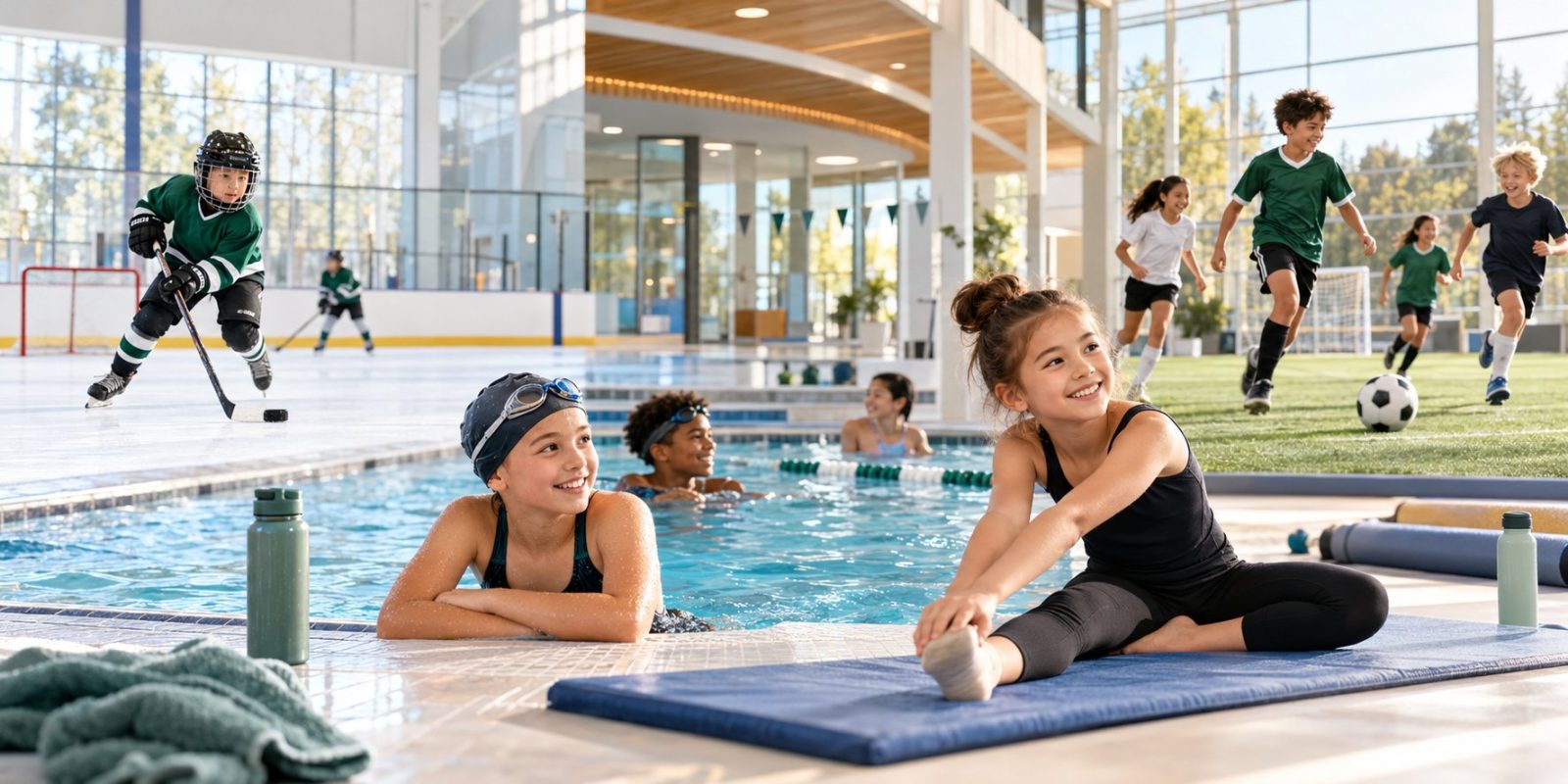
Self-care is a skill, not an indulgence. When children learn early to notice tension, fatigue, discomfort and stress—and to speak up about what their body needs—they build habits that can support them through growth, school, competitive sports and everyday life. For children age five and older, age-appropriate hands-on care can be one part of that education when it is provided by qualified practitioners, adapted to the child, and coordinated with their primary health-care provider when needed.
Growing bodies need recovery too
Children are not simply smaller adults. Their bones, muscles, tendons and coordination are still developing, and active children often repeat the same movements at practices, games and competitions. The American Academy of Pediatrics notes that growing athletes can be particularly vulnerable to overuse when training demands outpace recovery. Rest, sleep, hydration, varied activity, gradual training increases and good movement habits all matter.
What children can learn from early self care
- Body awareness: noticing the difference between normal effort, muscle fatigue and pain.
- Communication and consent: understanding that they can ask questions, request changes and stop a treatment at any time.
- Recovery habits: recognizing that rest and recovery are part of training—not a reward earned only after injury.
- Confidence in care: becoming more comfortable speaking with health professionals and participating in decisions about their body.
- Prevention-minded thinking: addressing movement, strength, flexibility and training-load concerns before a small problem becomes a bigger interruption.
How each service may support a child
Service | Potential role in age appropriate care |
Massage therapy | Gentle, age-appropriate massage may help a child relax, become more aware of muscle tension and feel more comfortable after sport or busy days. Pressure should always be adapted to the child, and the child’s comfort and consent should guide the session. |
Chiropractic care | A chiropractor may assess musculoskeletal pain, joint function and movement concerns, then recommend age-appropriate care such as education, mobility work, exercise or gentle manual techniques. Chiropractic care should not replace medical evaluation, and routine spinal manipulation has not been shown to prevent illness. Children with back pain, injury symptoms or health concerns should be medically assessed when appropriate. |
Acupuncture | When performed by a properly trained and regulated practitioner, pediatric acupuncture may be considered as a complementary option for selected symptoms such as pain or tension. Treatment can be adapted for age and comfort. |
Physiotherapy | Physiotherapy can help identify strength, balance, coordination, mobility and movement-pattern concerns. A physiotherapist can create an individualized plan for injury rehabilitation, gradual return to sport, sport-specific conditioning and management of common overuse conditions. |
Assisted stretch therapy | Assisted stretching and mobility work can teach safe technique, support flexibility and help active children recognize areas that feel tight or restricted. Stretching should feel controlled—not forced—and it works best alongside strength, rest and appropriate training rather than as a stand-alone injury-prevention guarantee. |
For competitive young athletes
A child who plays hockey, soccer, dance, gymnastics, swimming, martial arts or another competitive sport may be balancing practices, games, school and growth at the same time. The goal of supportive care is not to make it easier to “push through” pain. It is to help the athlete recover, improve movement skills, communicate symptoms early and return to activity safely.
A healthy sport routine should include:
- at least one rest day each week and meaningful time away from a single sport during the year;
- gradual increases in training volume rather than sudden jumps;
- age-appropriate strength, mobility and technique work;
- adequate sleep, food and hydration; and
- a clear rule that persistent pain, limping, weakness or loss of function is reported—not hidden.
What preventative care should really mean
Preventative care is not a promise that a child will never be injured. It means building awareness, checking movement concerns, managing training load, improving strength and flexibility, and responding early when symptoms appear. Sometimes the best plan is hands-on treatment; sometimes it is exercise, rest, a change in practice volume or a referral for medical assessment. Good care knows the difference.
Making treatment comfortable and child centred
Before any appointment, explain in simple language what will happen and let your child ask questions. A parent or guardian should be involved according to clinic policy and the child’s needs. The practitioner should obtain informed permission from the parent or guardian and ongoing assent from the child. If a child feels uncomfortable, the treatment should pause or stop. Teaching this boundary is itself an important part of self-care.
Start with the right question
Instead of asking, “How much can you push through?” try asking, “What is your body telling you today?” That shift helps children understand that strength includes recovery, communication and knowing when to ask for help. Whether they are competitive athletes, active kids navigating occasional aches, or simply learning healthy routines, an early introduction to responsible self-care can give them skills that last well beyond childhood.
To learn which service may be appropriate for your child, contact Purity Health & Wellness at 587-759-6407 or visit www.purityhealthandwellness.com.
This article is for general education and does not replace medical advice, diagnosis or treatment. Suitability depends on the child’s age, health history, symptoms and practitioner assessment.
Sources and further reading
- American Academy of Pediatrics Preventing Overuse Injuries in Young Athletes
- American Academy of Pediatrics Growing Pains Are Normal Most of the Time
- NCCIH Mind and Body Practices for Children and Teens
- NCCIH Acupuncture Effectiveness and Safety
- American Physical Therapy Association Pediatric Physical Therapy